Lake Mburo National Park is located in Kiruhura district in Western Uganda. It was first gazetted as a hunting control area in 1933, then upgraded to a reserve in 1963. In 1983, President Milton Obote gazetted it as a national park.Who immediately restricted grazing. The Banyankole and Bahima settled in the region surrounding the park. They traditionally herd Ankole longhorn cattle which they have grazed on the premises till date. The establishment of the park was perceived as a move to undermine the Banyankole, who were seen as rebellious, under the guise of restricting grazing. The lack of compensation or alternative land sparked hostility, contributing to the Bush War. Tensions escalated, and in 1985, the Banyankole retaliated by destroying Lake Mburo National Park. Wild animals in the park unfortunately fell victim too.
Biodiversity and activities
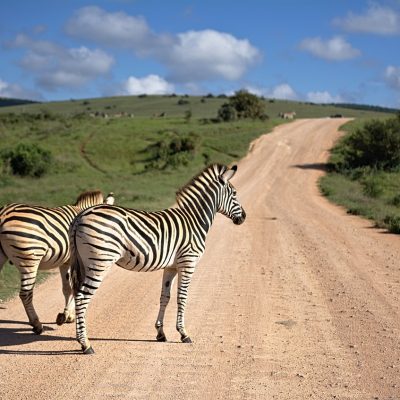
Lake Mburo National Park has one of the highest concentrations of the African Savannah zebras in Uganda, competing with Kidepo Valley National Park. The park is also home to Rothschild’s giraffes relocated from Murchison Falls National Park, as well as elands, warthogs, and African buffaloes, among other wildlife species. It has an extensive wetland which harbours birds and mammals. Game viewing in this park offers a thrilling experience, with options to explore on game drives, guided walks, horseback safaris, and boat cruises, providing a unique perspective on the wildlife. Hence presenting activities like Boston cruises, nature walks, horseback riding and game drives. It is the only park that offers horseback riding sessions.
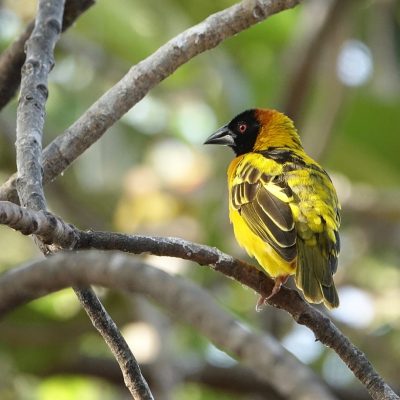
Lake Mburo takes you on a wildlife tour on boat cruise where you see various birds like pelican, herons, finfoot and fish eagle. Aquatic animals like hippos and Nile crocodiles are spotted in large numbers. The park is the only place you can find impalas and burchnell zebras in Uganda. Lake Mburo National Park’s diverse flora includes rocky outcrops, savannah acacia woodlands, bush forests, and swamps – the latter providing a habitat for the elusive sitatunga antelopes. Along with birds like papyrus gorelek, white winged warbler. Gates used to access the park are Nshara gate in the North, Sanga in the East which has an educational centre for students and researchers. And lastly the Kyanyashara gate.
Alternative activities in Lake Mburo National Park
Other activities in Lake mburo National Park include the salt licker walk in Rwonyo where you view wildlife from a timber observation platform. Rubanga is rich with the cultural history of the banyankole. They used to worship their god from here. A panoramic view of the park is best when you stand at Rwonyo camp. Community visits around the ankole communities. The Ankole Kingdom lasted from the 15th century to 1967. The kingdom was abolished by President Milton Obote and remains unreinstated. Today, it operates as a chiefdom, preserving its cultural heritage despite the loss of official kingdom status.
Ankole is home to the most favourable grazing lands in Africa. This is why the Banyankole have very healthy herds of long horned cattle. They can almost entirely depend on cattle for livelihood. The Banyankole, Uganda’s second most prominent tribe, have a rich culture and unique culinary traditions. Their staple food is millet, creatively prepared as “akalo” (a solid dish) or “obushera” (a drink). Akalo is often enjoyed with “eshabwe,” a flavorful sauce made from melting ghee in hot water, mixing it with local salt. They also grow bananas on a very large scale because of the very fertile soils. The most common ceremony among the banyankole is the kuhingira, a pre wedding ceremony where the bride and groom’s family exchange gifts. A cultural visit to the Ankole region will fill you with firsthand information about this interesting community and their traditions.
Nearby attractions
Some of the attractions close to Lake Mburo National Park include Igongo Cultural Centre. A museum rich with the Bunyoro-Kitara heritage and a restaurant which serves you with the delicious local cuisine. The eclipse monument which is just a sight away. It was built in commemoration of the total eclipse of the sun. It took place on April 17th, 1520. The historical Nkokonjeru tombs where Abagabe (former kings) were buried. Also a visit to waterbodies;Lake Nakivale, River Rwizi and Lake Kachera is also worth it. Additionally, the proximity of Lake Mburo National Park to western Uganda parks namely; Bwindi Impenentrable, Queen Elizabeth, Semuliki and Kibale makes it ideal to visit en-route.
There are plenty of accommodation options available, ranging from budget-friendly to luxurious, conveniently located around the premises, so you can choose one that suits your needs. Meals plans like full board, half board, bed and breakfast and bed only are available. Great Wall Tours Uganda offers flexible and customizable tour options to fit various budgets, making a trip to Uganda accessible to everyone. Conclusively, a safari to Lake Mburo National Park is unforgettable. Immersing you in nature, wildlife, culture, heritage and Ugandan history.